Site Setting-Out Services for Archaeology, Construction and Development Projects
AS Archaeology provides accurate site setting-out services to help transfer approved drawings, site layouts, trenches, boundaries, foundations and survey points onto the ground.
Using professional survey equipment and practical site experience, we support archaeology, construction, civil engineering and development projects where accuracy, clear communication and reliable site control are essential.
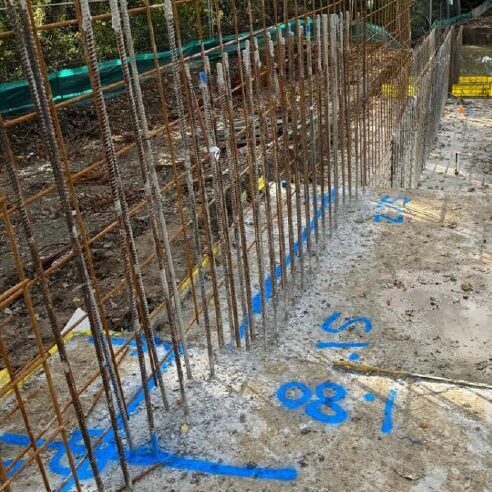
From setting out archaeological trenches to checking drawings, marking site features and supporting as-built validation, we help project teams work from dependable survey information.
Overview of Setting-Out Services
Setting-Out Services provide vital support for archaeological, construction, and civil engineering projects through precise and efficient surveying practices. We use Total Station and GPS to deliver exceptional accuracy throughout every stage of the project. Prior to commencement, we review all drawings and maintain close coordination with your site team, raise Requests for Information (RFIs) where needed, and conduct comprehensive quality checks to ensure full compliance with project requirements.
Areas of Expertise
Our expertise spans a broad range of surveying services, including archaeological sites, topographical surveys, housing developments, reinforced concrete (RC) works, road construction, 278 works, and drainage schemes. We are fully equipped to manage projects of any size, adapting our approach to meet the specific demands of each assignment.
Material Take-Off Services
In addition to surveying, we offer material take-off services for key construction elements such as kerbs, footings, drainage systems, stone, and other essential materials, ensuring accurate quantity assessments for efficient project planning.
Project Coordination and Cost Control
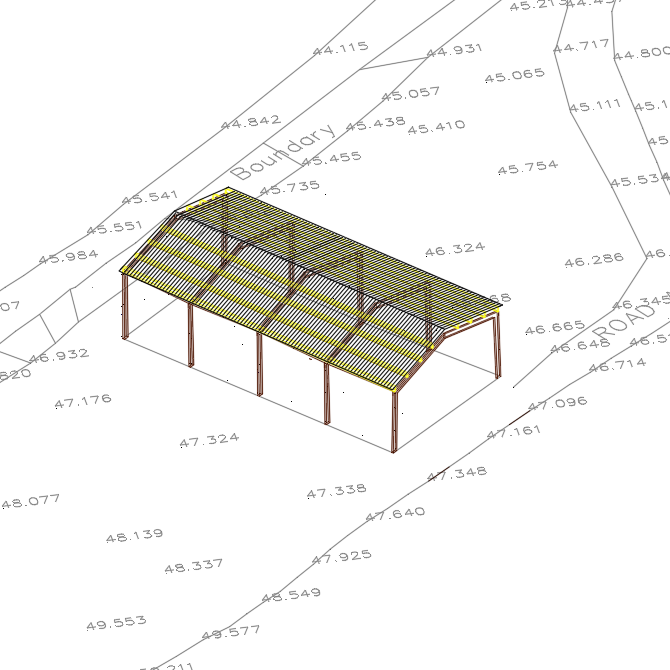
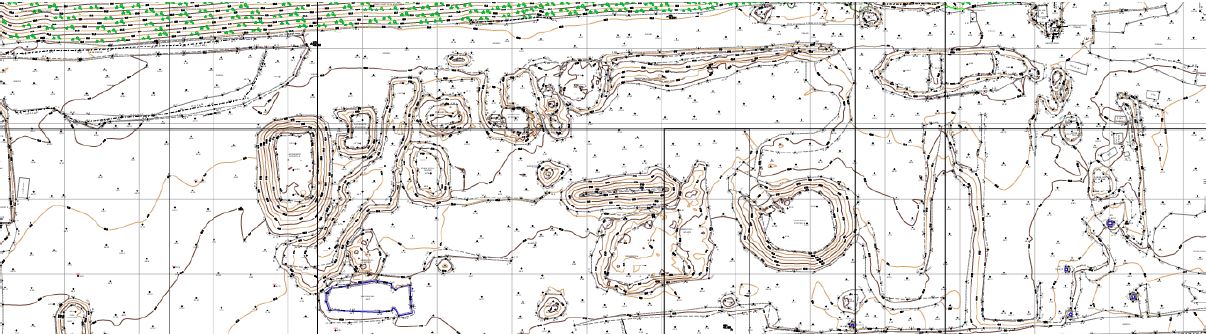
Reviewing drawings and coordinating construction details helps prevent costly delays and supports effective cost control. Our topographical surveys deliver reliable geospatial data integral to design and construction, capturing ground levels, site features, and any constraints present on site.
“As-Built” Surveying and Validation
“As-built” surveys compare completed projects with their original plans, ensuring everything meets standards and regulations. These data sets are useful for detecting surfaces, connections, and any possible issues, assisting in validation and oversight during construction